The Future of Precast Concrete in India’s Sustainable Infrastructure Boom
India’s Infrastructure is Entering a New Era
Aviral Shah
11/8/20253 min read
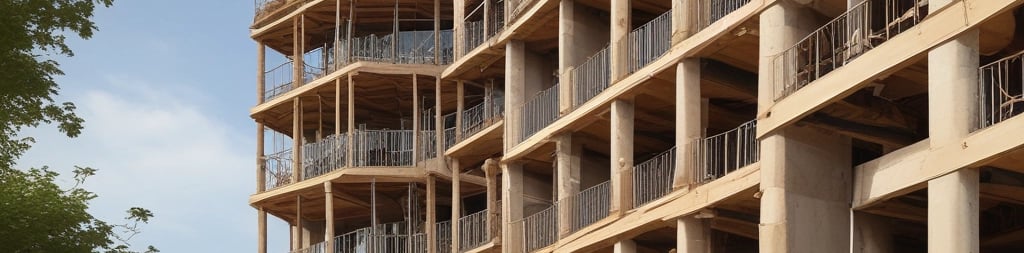
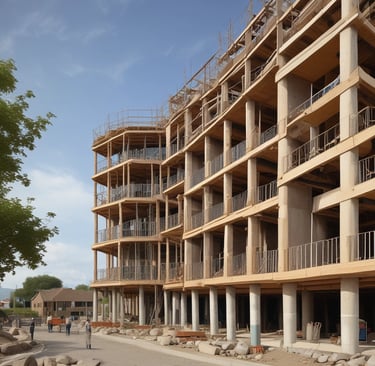
Introduction: India’s Infrastructure is Entering a New Era
India is witnessing one of the largest infrastructure transformations in the world—from smart cities and housing projects to highways, metros, and water management systems.
With rapid urbanization and an ambitious national goal to achieve net-zero emissions by 2070, there’s increasing pressure on developers and EPC contractors to build faster, smarter, and more sustainably.
Enter precast concrete—a technology-driven solution reshaping how India builds its future. Precast construction combines engineering precision, eco-efficiency, and speed, making it the foundation of modern, sustainable infrastructure.
The Role of Precast in India’s Growth Story
The Government of India’s infrastructure investments—through programs like Smart Cities Mission, PM Awas Yojana, Bharatmala, and Jal Jeevan Mission—demand high-quality, durable, and cost-effective construction systems.
Traditional on-site methods struggle to meet the required scale and pace. In contrast, precast concrete manufacturing allows critical components—such as walls, slabs, manholes, and utility chambers—to be produced off-site in controlled conditions, then installed swiftly on-site.
This process reduces delays, ensures uniform quality, and minimizes environmental impact—making precast the preferred choice for forward-thinking builders and government agencies.
Sustainability Benefits of Precast Concrete
Sustainability is no longer optional—it’s essential. Precast RCC (Reinforced Cement Concrete) offers significant environmental and performance advantages over conventional construction.
1. Reduced On-Site Waste
Factory production eliminates excess material usage and site wastage. Reusable steel molds further lower resource consumption.
2. Lower Carbon Footprint
Controlled batching of concrete reduces cement overuse, while optimized curing saves water and energy. Transportation efficiencies also minimize emissions.
3. Enhanced Quality = Longer Lifespan
Precast elements are manufactured with precise mix design and vibration technology, producing dense, durable concrete that lasts decades with minimal maintenance.
4. Reusable Molds and Recyclable Materials
Precast systems support a circular economy model—molds are reused, and even end-of-life components can be crushed and repurposed for road bases or fill material.
5. Healthier Worksites
Reduced on-site mixing and dust improve worker safety and air quality—an often-overlooked sustainability factor.
In essence, precast RCC isn’t just about speed—it’s about building responsibly for future generations.
Precast Innovations Shaping India’s Future
India’s construction sector is embracing technological innovation, and precast is at the forefront of this transformation.
Key innovations driving growth:
Modular Construction:
Precast panels and modules are enabling plug-and-play housing and infrastructure, drastically reducing construction time for apartments, schools, and offices.Mass Housing Solutions:
Governments and private developers are adopting precast for affordable housing projects, where quality, speed, and scalability are crucial.Smart Infrastructure Integration:
Precast systems can easily integrate with IoT-enabled drainage systems, cable ducts, and energy-efficient urban layouts, aligning with India’s smart city initiatives.Aesthetic Customization:
Advanced surface finishes and 3D mold technology allow precast to combine function with beauty, making it ideal for both public and private architecture.
From ready-made houses to custom drainage systems, the potential for precast innovation in India is virtually limitless.
Challenges in India’s Precast Journey
While precast adoption is accelerating, a few challenges remain:
Logistics: Transporting large precast elements requires planning and suitable infrastructure, especially in remote areas.
Mindset Shift: Some developers still prefer conventional brick and mortar methods due to habit or lack of awareness.
Upfront Investment: Precast factories require higher initial setup costs, though these are quickly offset by speed and quality benefits.
Skill Gap: Engineers and site workers need more training to handle installation and maintenance of precast systems.
However, as awareness grows and success stories multiply, these challenges are rapidly being overcome—especially in industrial and smart-city projects.
How Arihant Precast is Powering This Sustainable Revolution
At Arihant Precast, we believe the future of construction is precast, precise, and planet-friendly.
With over 56 years of legacy in RCC manufacturing, we bring unmatched experience in design, production, and quality control.
Our product range includes:
RCC Boundary Walls – quick-installation, durable enclosures
Manhole Covers & Frames – engineered for load performance and longevity
Ready-Made Houses & Modular Units – redefining affordable housing
Custom Drainage and Infrastructure Components – for civic and industrial use
Every Arihant Precast product is manufactured under IS standards, with stringent factory quality control and a commitment to sustainability.
Our facility in Indore, Madhya Pradesh, serves as a regional hub for eco-efficient precast innovation, enabling faster project delivery and reduced environmental impact.
Predictions & Opportunities: The Decade of Precast
The next five years will be pivotal for India’s precast industry. Here’s what we foresee:
Mainstream Adoption – Precast will become the default for mid-to-large infrastructure projects, from metros to commercial complexes.
Government Endorsement – Policy incentives for sustainable materials will accelerate adoption of precast systems.
Smarter Factories – AI-based quality monitoring and 3D mold printing will enter mainstream production.
Green Certification – LEED and GRIHA-certified buildings will increasingly rely on precast to meet sustainability benchmarks.
Export Growth – Indian precast manufacturers will expand globally, serving South Asian and African infrastructure markets.
Developers and contractors who embrace precast today will enjoy a competitive edge tomorrow—faster delivery, better margins, and sustainable credibility.
Conclusion: Building India’s Future, One Precast Element at a Time
Precast concrete represents India’s path toward sustainable, modern infrastructure—combining speed, strength, and environmental responsibility.
For businesses, municipalities, and developers looking to future-proof their projects, precast isn’t just an option—it’s the next evolution of construction.
Arihant Precast stands ready to lead this transformation, offering end-to-end precast solutions backed by decades of experience, innovation, and trust.